





The first year of a new shop is usually decided long before the doors open. Not by the product, the paint or the window display, but by a handful of decisions — a lease, a licence, an insurer, a staffing plan — that most people make in a hurry because they are desperate to start trading.
Aspen's high street is a welcoming place to set up, and an unforgiving one to get wrong. Footfall is seasonal, regulars are loyal but observant, and the costs arrive whether the till is busy or not. Below are the five mistakes that trip up new traders most often, and what to do instead.
Mistake one: treating licensing as paperwork for later
Permission is the part of opening a shop that has no obvious deadline until it suddenly does. If you plan to sell alcohol, you will need a premises licence from the council, a personal licence holder, and a designated premises supervisor. If you intend to serve hot food or drink between 23:00 and 05:00, that counts as late-night refreshment and needs authorising as well. Anyone selling food must register the business as a food business with the local authority — the guidance is to do so at least 28 days before you start trading — and the premises will be inspected on a risk basis afterwards.
Then there is the building. In England, many shop uses sit within Use Class E, but not everything does: a hot food takeaway is treated separately, and residential flats above a shop bring their own rules. Listed buildings and conservation areas add another layer, particularly if you want to alter a shopfront or hang a projecting sign.
- Playing recorded music, even quietly in the background, generally requires a PPL PRS licence.
- Chairs and tables on the pavement need a pavement licence from the council.
- Selling goods from the street itself may need a street trading consent.
- New signage sometimes needs advertising consent, separately from planning permission.
None of this is designed to catch you out, but all of it is easier to arrange before you sign a lease than after. Speak to the council's licensing and planning teams early, and take proper legal advice on anything you are unsure about.
Mistake two: confusing footfall with custom
A busy street is not automatically the right street. The questions worth asking are narrower than that. Does the passing trade match what you sell? Is the unit served by the right kind of footfall at the hours you will actually be open — office workers at lunchtime, families at weekends, visitors in summer and almost nobody in February?
Then look at the lease rather than the shopfront. Length, break clause, rent review, service charge, who repairs what, and what you will owe when you leave. A short lease with a clean break can be a gift to a first-time trader; a long one with a full repairing obligation is a commitment you cannot walk away from if the first year is slow.
Visit at different times of day and on different days. Ask the neighbouring traders why the previous occupant left. Check deliveries, storage, bin space, power supply, extraction, water pressure and broadband before you fall in love with the premises. Have a solicitor read the lease. It is the cheapest part of the whole process.
Mistake three: buying insurance on price alone
Employers' liability cover is a legal requirement for most businesses in Great Britain, with cover of at least £5 million. It is not optional, and it is not the place to save twenty pounds a year.
Around that, think about what would actually close you down: public liability for customers and deliveries, contents and stock, glass and signage, and business interruption cover, which responds when you cannot trade because of damage or a flood. Tell your insurer exactly what you will sell and how you will operate. A policy bought on an inaccurate description of the business is a policy that may not pay out when you need it most.
Use a broker who understands retail, renew before the policy lapses, and update the cover as the business changes. If you are unsure what you need, take professional advice rather than guessing.
Mistake four: hiring in a rush
New shops tend to over-hire for the opening buzz and then cut hours when trade settles, which damages goodwill precisely when you need it. Hire fewer people, train them better, and plan properly for sickness, holidays and the weeks when someone leaves.
Before anyone starts, complete right to work checks and put a written statement of employment particulars in place — for employees and workers this should be given on or before the first day. Pay at least the National Minimum Wage or National Living Wage, remember that holiday builds up from day one, and check your pension auto-enrolment duties as soon as you take on staff. If someone works a trial shift doing real work, pay them for it.
Mistake five: ignoring the neighbours and the small permissions
The details that generate complaints are rarely the big ones. It is the A-board that blocks the pavement, the bins left out on the wrong day, the delivery van parked across someone's doorway, the extractor that smells of frying at seven in the evening, the music audible through a shared wall.
Introduce yourself to the businesses either side before you open. Ask how they handle waste collections and deliveries. Explain what you are planning. Most problems on a high street are solved by a conversation in the first week rather than a letter from the council in the sixth.
Getting the first year right
The traders who last are not the ones with the most exciting opening party. They are the ones who did the unglamorous work first. A short checklist before you take the keys:
- Confirm the use class, and whether you need planning or advertising consent.
- Apply for licences and register as a food business with time to spare.
- Have the lease checked by a solicitor, including the exit terms.
- Arrange insurance to begin on the day you take the keys.
- Sort contracts, right to work checks and pay rates before your first hire.
- Talk to the council, your neighbours and any local traders' group.
Do those things and you will still have plenty to worry about — stock, pricing, staffing rotas, whether anyone comes back a second time. But you will be worrying about the shop rather than the paperwork. That is the best position a new trader can be in.
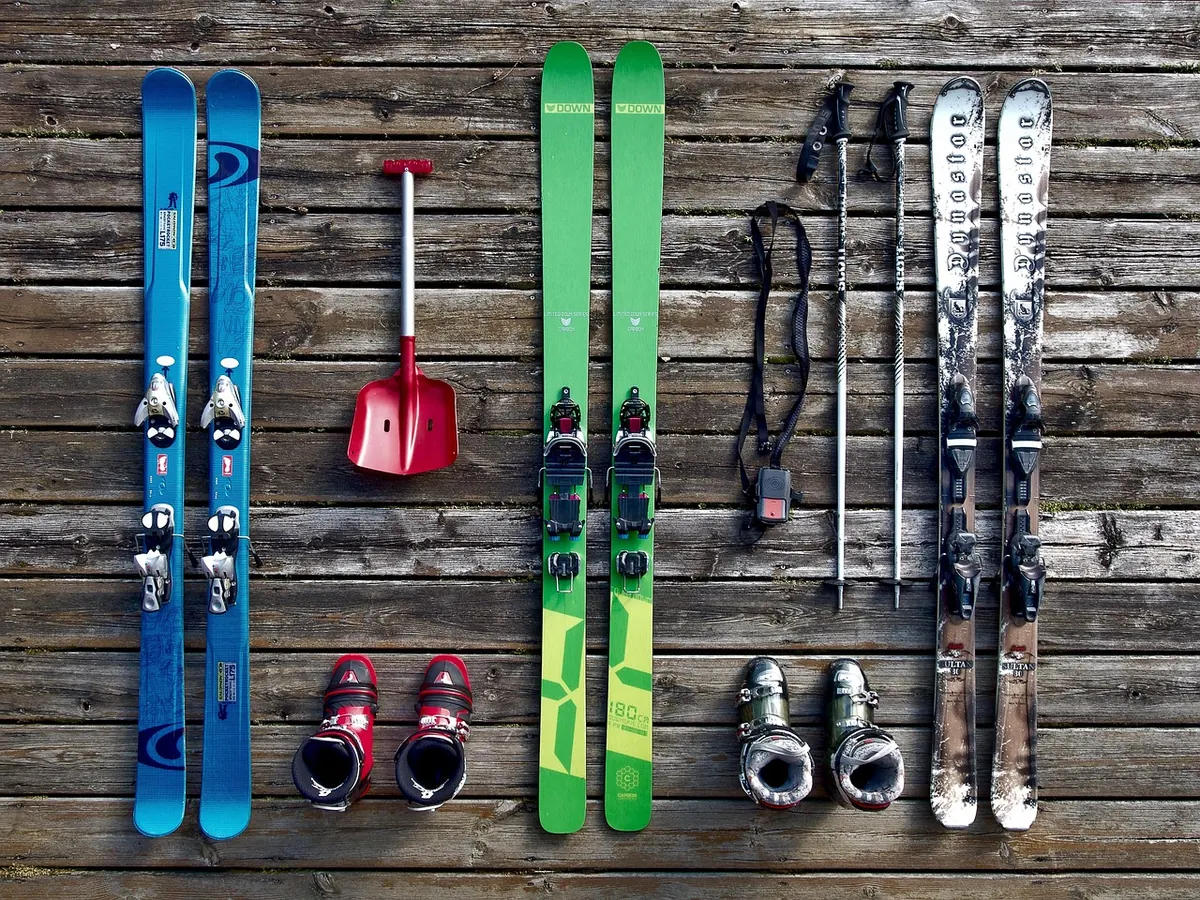
Photo: c cx / Pexels