




Aspen's Junior Ski Racing Scene: A Parent's Guide to Getting Started
Watching a child tuck into a slalom course for the first time is a thrill. But getting there—from first snowplough to first race—can feel complicated. Clubs, kit, costs, schedules: there is a lot to weigh up. This guide is for Aspen parents who want to explore junior ski racing without losing the plot or the family budget.
In a valley where skiing is woven into the school week and the local race culture runs deep, it is easy to assume every child is on a fast track. They are not. Most junior racers begin as curious skiers who simply like being on snow. The aim is not to create a mini World Cup athlete by age nine. The aim is to build skills, confidence and a love of the sport—one turn at a time.
Is Your Child Ready to Race?
There is no single age when a child should start racing. Some join a development group at six or seven; others discover it at twelve. What matters more is a set of basic skills and, above all, interest. A child who can ski parallel on blue runs, control their speed, ride lifts confidently and follow instructions is usually ready for an entry-level programme. A coach can assess the rest.
Racing is not just about going fast. It is about repetition, listening, waiting in cold conditions, and learning to lose. If your child enjoys the process, they will improve. If they are only there because a parent raced, the season will feel long. Ask them what they like about skiing before you sign anything.
Look for small signs of readiness: your child asks to ski the same run again and again, notices how other skiers turn, or wants to chase you down the hill. They do not need to be the fastest in their class. They need to be able to manage their equipment, dress themselves for cold weather, and ask an adult for help when they need it.
“I look for kids who can stop, turn and laugh when they fall,” one local development coach says. “The ones who listen and keep trying often go further than the ones who arrive with the most expensive skis.”
If your child is unsure, try a one-day camp or a weekend taster before committing to a full season. A low-pressure introduction tells you more than a glossy brochure ever will.
Finding the Right Programme
Programmes in the Aspen area range from weekend clubs to after-school sessions and holiday camps. Some train at Buttermilk, others at Snowmass or across the valley. Entry-level groups usually focus on fundamentals: balance, edge control, turn shape and course tactics. They are not mini World Cups. That comes later, if it comes at all.
The right fit depends on your family’s schedule as much as your child’s ability. A weekend club may suit a family that skis together on Saturdays and wants Sundays free. An after-school programme can be brilliant for local children who need a ride straight from school, but it can also make homework and dinner feel rushed. Holiday camps are a good middle ground: intense enough to build skills, short enough to test the waters.
Start by watching a training morning. You will see how coaches interact with children, how much time is spent queuing, and whether the atmosphere feels right. A taster session is better than a full-season commitment. Talk to other parents, but remember that every child’s experience is different. What works for a family with three racers may not work for a first-timer.
Questions to ask before you sign up
- Which days and times does the group train, and how long is the season?
- What is the coach-to-child ratio, and what qualifications do coaches hold?
- Is a lift pass included, or is it an extra cost?
- What equipment is required from day one, and what can wait?
- How many races are on the calendar, and are they local or travelling events?
- What are the total fees, payment options and refund policy?
- How do coaches communicate with parents during the season?
- What are the safeguarding and behaviour policies?
- Are parents expected to volunteer at races or club events?
Write the answers down. If a club is vague about costs or schedules, ask again. A good programme will be happy to explain. A vague answer now often becomes a stressful surprise in January.
What It Costs—and Where the Money Goes
Junior ski racing is not cheap, but the costs arrive in stages. Club or team fees cover coaching and organisation. Then there is lift access, which may mean a season pass or daily tickets. Equipment is next: skis, boots, poles, helmet, goggles, gloves and race clothing. Add tuning, wax, travel, accommodation, race entry fees and occasional camps.
A first season can be done on a modest budget if you resist the urge to buy everything at once. A full competitive travel season, on the other hand, can climb into thousands of dollars. The difference is not just gear; it is coaching hours, race entries, fuel, hotels and time away from work.
- Club fees: coaching, administration and organised training.
- Lift access: season pass, daily tickets or a programme add-on.
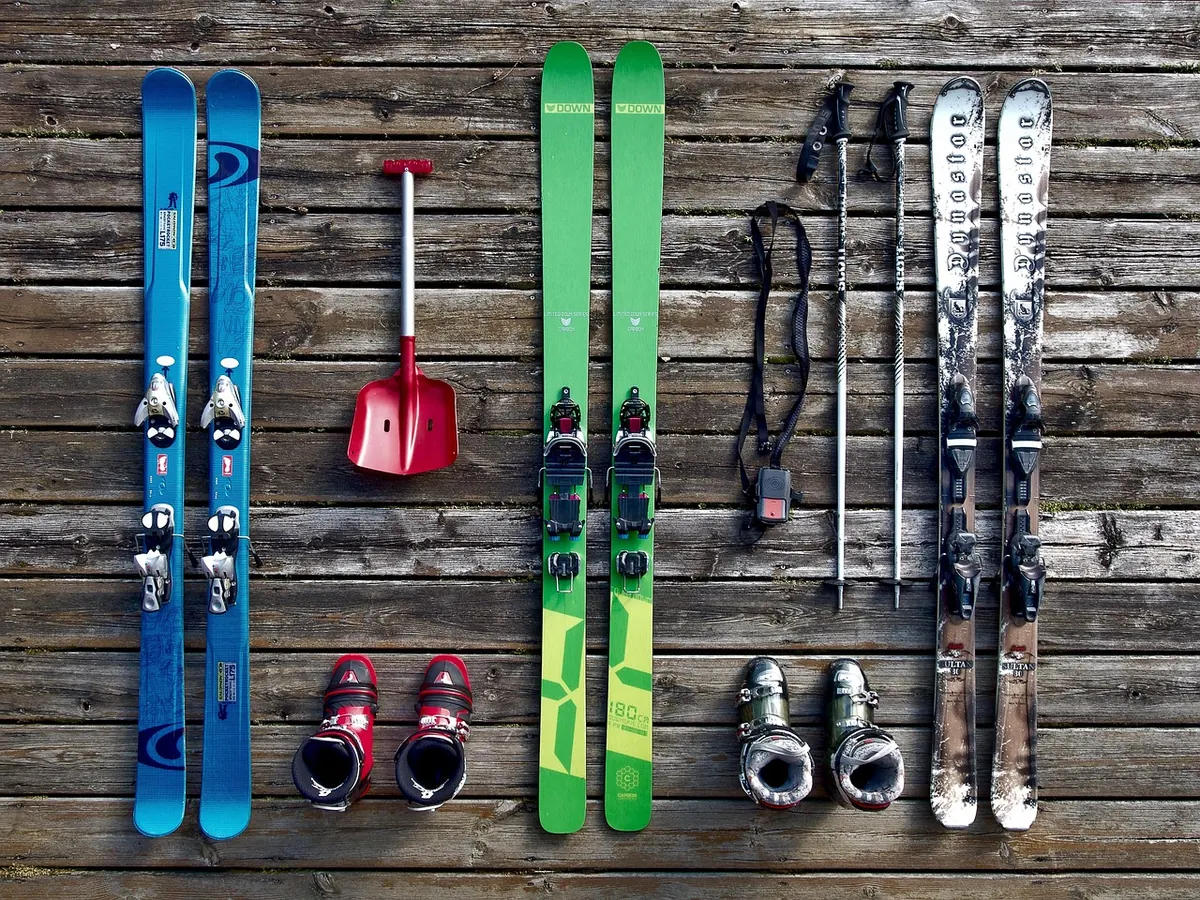
- Hard goods: skis, boots, poles and bindings.
- Soft goods: helmet, goggles, gloves, base layers and race suit.
- Maintenance: wax, edges, tunes and repairs.
- Travel: race entries, gas, meals and lodging.
- Camps: optional extras that can add up quickly.
You do not need top-of-the-range kit to start. In fact, a growing child will outgrow race skis quickly. Many families buy second-hand, swap with other parents, or hire for the first season. Ask the club whether it runs a kit exchange or has a list of families selling gear.
Ways to keep first-season costs sane
- Buy used race skis and boots from a reputable shop or club family.
- Prioritise good-fitting boots over the latest ski model.
- Wait on race suits until your child has raced a full season.
- Share lifts and accommodation with other families at away races.
- Ask about payment plans, scholarships or volunteer-in-lieu options.
- Say no to every optional camp in year one.
A Typical Season: What the Calendar Actually Looks Like
Junior race seasons in the Aspen area usually follow a rhythm. In the autumn, many programmes begin with dryland training: hiking, agility, balance work and general fitness. Once the mountain opens, groups move onto snow for fundamentals and drills. Early winter is about mileage and technique, not results.
By January, racers may enter local race series. These events are often a mix of slalom and giant slalom, with plenty of waiting, course inspection and nervous energy. February can bring bigger qualifiers or championship races. By March and April, the season winds down with fun events, club races and spring skiing.
That rhythm matters for family planning. A weekend race may mean leaving home before dawn, standing on a cold hill for hours, and driving home in the dark. It can be exhausting—and also enormously fun. The families who enjoy it tend to treat race day as a shared adventure rather than a verdict on their child’s worth.
Race Day: A Parent's Survival Guide
On race day, your role changes. You are not the coach. You are the driver, the caterer, the cheerleader and the calm presence in the car. Coaches will handle warm-up, course inspection and tactics. Your job is to get your child to the start healthy, fed and reasonably relaxed.
What to pack for a race day
- Extra gloves, goggles and warm layers.
- Thermos with soup, hot chocolate or tea.
- Easy snacks: sandwiches, fruit, nuts and granola bars.
- A folding chair, blanket or mat to stand on.
- Sunscreen and lip balm, even on cloudy days.
- A small tuning kit if the club does not provide one.
- Cash or card for parking, food and race entry.
- A phone charger and a printed schedule.