




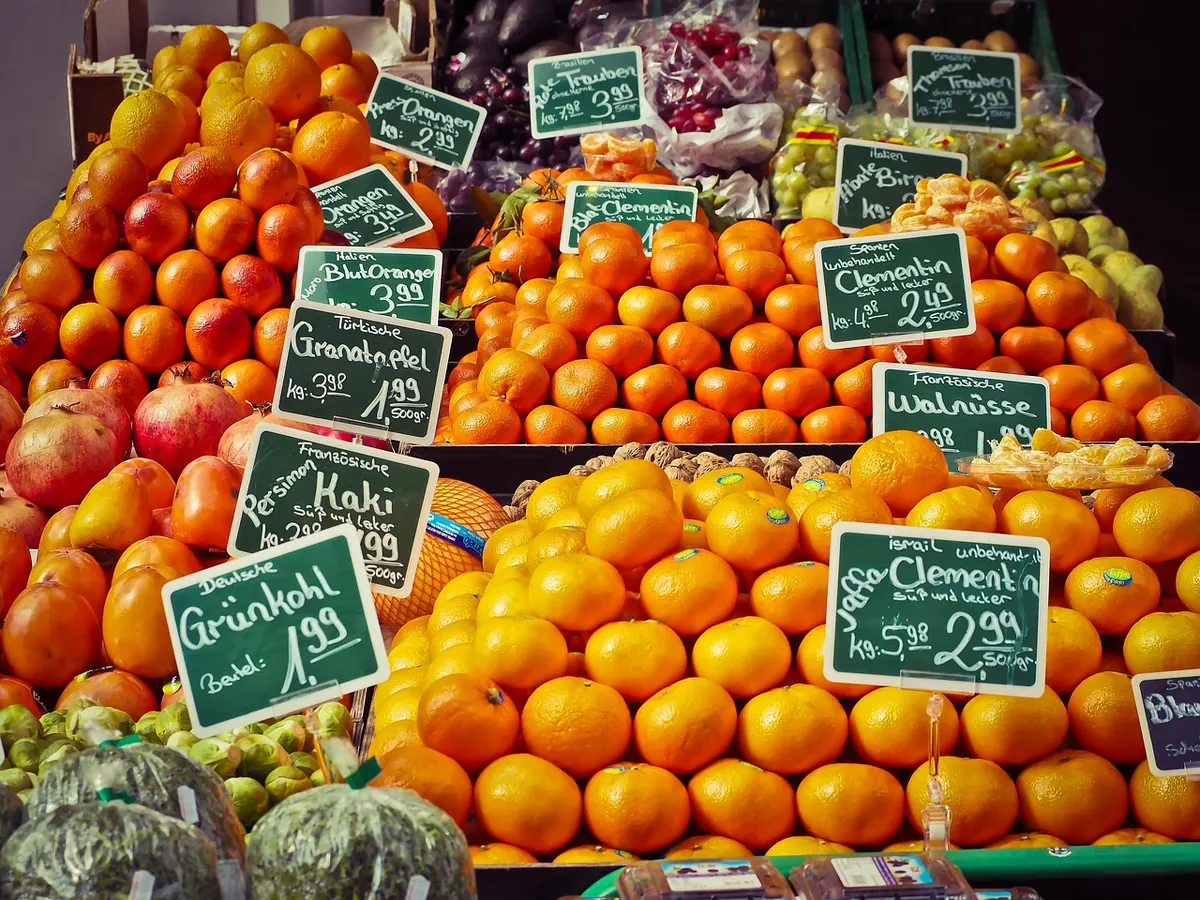
Aspen's farmers' market has never really been about the shopping list. It is about the walk into town on a Saturday morning, the first coffee of the day, the loaf you buy because it is still warm, and the conversation with a grower who can tell you exactly which week the broad beans will be at their best. The 2025 season keeps all of that — and adds a few changes worth knowing about before you set your alarm.
Here is what is different this year, when the market runs, and how to get the most out of a visit, whether you are doing a full weekly shop or drifting through with a dog and no particular plan.
What's new for 2025
The most noticeable change is in the middle of the site. The central aisle has been widened and the hot-food stalls moved to the far end, which should ease the usual bottleneck where the coffee queue collides with people stopping to say hello. Seating has been extended, with more tables and a stretch of shade for the middle of the day.
Beyond the layout, these are the additions stallholders have flagged for this season:
- A refill stand. Dry goods — oats, rice, lentils, dried fruit and nuts — sold by weight into your own containers. Take a couple of clean jars or tubs and you will actually use them.
- Longer hot-food hours. Breakfast from the opening bell, and a lunch offer that runs until the stalls pack up rather than selling out by one o'clock.
- A quieter first hour. From 9am to 10am the music stays low and the aisle nearest the entrance is kept clear. If crowds are the reason you have been avoiding the market, this is your window.
- A waste and recycling point. Cups, containers and cardboard collected in one place near the exit, with a water refill tap beside it.
- A bigger craft and plant row. More growers selling seedlings and herbs, and more makers alongside them. Good for a gift, better for a windowsill.
None of this reinvents the place. The market's character — small producers, short queues, familiar faces — is intact, and that is rather the point.
When to visit: dates, times and the best hours
The market runs every Saturday, 9am to 3pm, from the final weekend of April to the end of October, with a shorter Christmas market in December, usually a Friday evening and the following Saturday daytime. Bank holidays occasionally shift the December dates, so if you are travelling in, check the market's social pages or the noticeboard in town the day before.
Which hour you choose changes what you come home with. Early is for the things that sell out; late is for the things that don't.
Timing it right
- 9am–10am: calm and fully stocked. Best for eggs, pastries, bread and anything in limited supply.
- 10am–noon: the whole market open and trading properly. The best all-round window if you want choice without elbows.
- Noon–2pm: lunch. The hot-food stalls have their longest queues and the seating is full.
- 2pm–3pm: end of day. Some stalls discount what they would rather not pack away — vegetables and bread mostly — but your favourite producer may already be gone.
Stalls worth planning around
The line-up follows the growing season, so what you find in May is not what you find in September. A rough guide to the year:
- Spring: salad, radishes, rhubarb, herbs, seedlings for the garden.
- Early summer: strawberries, peas, broad beans, the first courgettes.
- High summer: tomatoes at their best, beans, sweetcorn, stone fruit, cut flowers.
- Autumn: apples, squash, root vegetables, chutneys and preserves for the winter cupboard.
Alongside the produce you will find bread and pastries, cheese and dairy, meat, preserves, coffee, cakes and dog treats. Two habits are worth adopting. Buy bread and pastry first — they go quickest. And if you have a freezer, buy the glut: a tray of courgettes or a box of tomatoes at the end of a Saturday costs less than the same weight in a shop and can become soup the same afternoon.
Special events through the season
The market's calendar tends to follow the food rather than the other way round, but a handful of dates stand out. Expect a spring plant and seedling swap in late April or early May, where you can bring spare seedlings and take home something you did not grow. Midsummer usually brings a food and music Saturday, with longer hours and a small stage at one end. The harvest weekend in late September or early October is the busiest of the year, with apple pressing, a pumpkin mountain and activities for children. December's Christmas market is smaller, colder and very much worth it.
Exact dates are announced a few weeks ahead, so check before you plan a trip around one — and arrive early, because these are the mornings when parking vanishes by half past nine.
Getting there, and what to bring
The market sits in the middle of town, which makes it easy on foot and awkward by car. Arrive before 10am for the best chance of a space, or use the edge-of-town car parks and walk in; it is a short stroll and you will sidestep the crawl around the one-way system. Buses are frequent on Saturdays, and the cycle racks by the entrance fill up quickly but rarely completely.
- B
Photo: 652234 / Pixabay